Behaviour and relationships / Eating
Behaviour and relationships
Eating
Understand your relationship with food, body, and what you need.
Get free informationWhen food begins to take up too much space
Concerns related to food, body image or habits can affect well-being and relationships. The assessment includes how the situation is lived and what needs need attention, with professional coordination when appropriate.
Concerns about food do not always indicate an eating disorder. Consider seeking help if rules about eating, feeling out of control, compensating for eating or distress about your body interfere with daily life. Some people struggle with certain foods or fear eating without wanting to lose weight. Appearance and weight alone cannot explain what is happening. An assessment should include physical health.
If there is fainting, dehydration or a significant deterioration, seek a health assessment without waiting to hear from ADIR. If the situation is serious or there is immediate danger, seek urgent care. The contact form is not an emergency service.
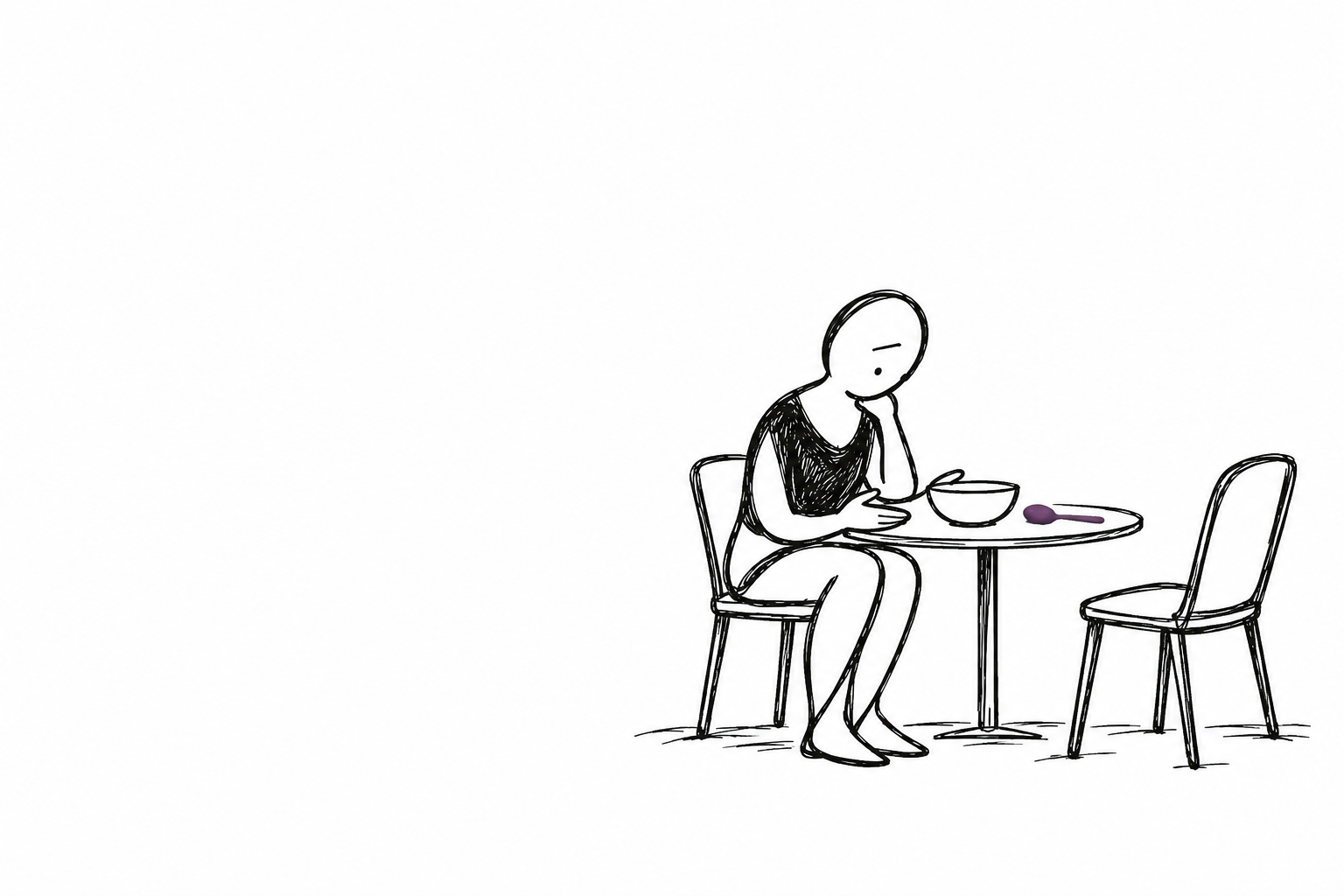
Understanding the situation and the support it requires
At ADIR, we start with what concerns you, when it started and how it affects eating, relationships and daily life. Your history, the support available and what you want to get back to all matter. We do not judge what you eat or set appearance goals. Understanding your needs helps identify what guidance may be appropriate.
Eating difficulties may require specialist medical, nutritional and psychological care. Primary care or a paediatric service can be a first point of contact. Before starting, clarify what the centre can provide and what requires another service. This page does not establish that ADIR offers a specialist eating disorder programme. In children, growth, development and the involvement of carers matter. Difficulties in early childhood need a specific assessment and should not automatically be treated as disobedience.
It can also help you
Body image, shame or family tensions can be part of the experience. They cannot fully explain it or replace an assessment of eating and physical health. These pages provide background. An eating disorder may need specialist care.
Frequently asked questions
You do not need to wait until you look a certain way. Explaining what is happening and how it affects your life helps guide the assessment. This page cannot provide a diagnosis, and weight alone does not determine what care is needed.
Avoid looking for someone to blame or turning support into constant monitoring. Family involvement depends on age, needs and safety. Specialist family treatment differs from general family therapy. An appropriate healthcare team should advise on eating and nutritional recovery.
This page provides general guidance, not a food plan or a confirmation of specialised care. By contacting, you can briefly explain your concern and ask about the scope of care before deciding. You do not need to send measurements, pictures of the body or intimate details by the form.