Behaviour and relationships / Challenging behaviour
Behaviour and relationships
Challenging behaviour
Understand recurring conflicts and seek another way to relate.
Get free informationSee what happens, without defining the child by his behaviour
Repeated conflicts at home or at school can generate concern and wear. We listen to the child or adolescent and his or her family to know in what situations they appear, how the environment responds, and what needs should be met.
Saying no or arguing is not enough to identify a disorder. What matters is the child's stage of development and the intensity, frequency and impact of the conflicts. Look at what happens before an argument, what the child finds difficult and what happens afterwards. A problem that occurs at home but not at school still provides useful information and deserves attention.
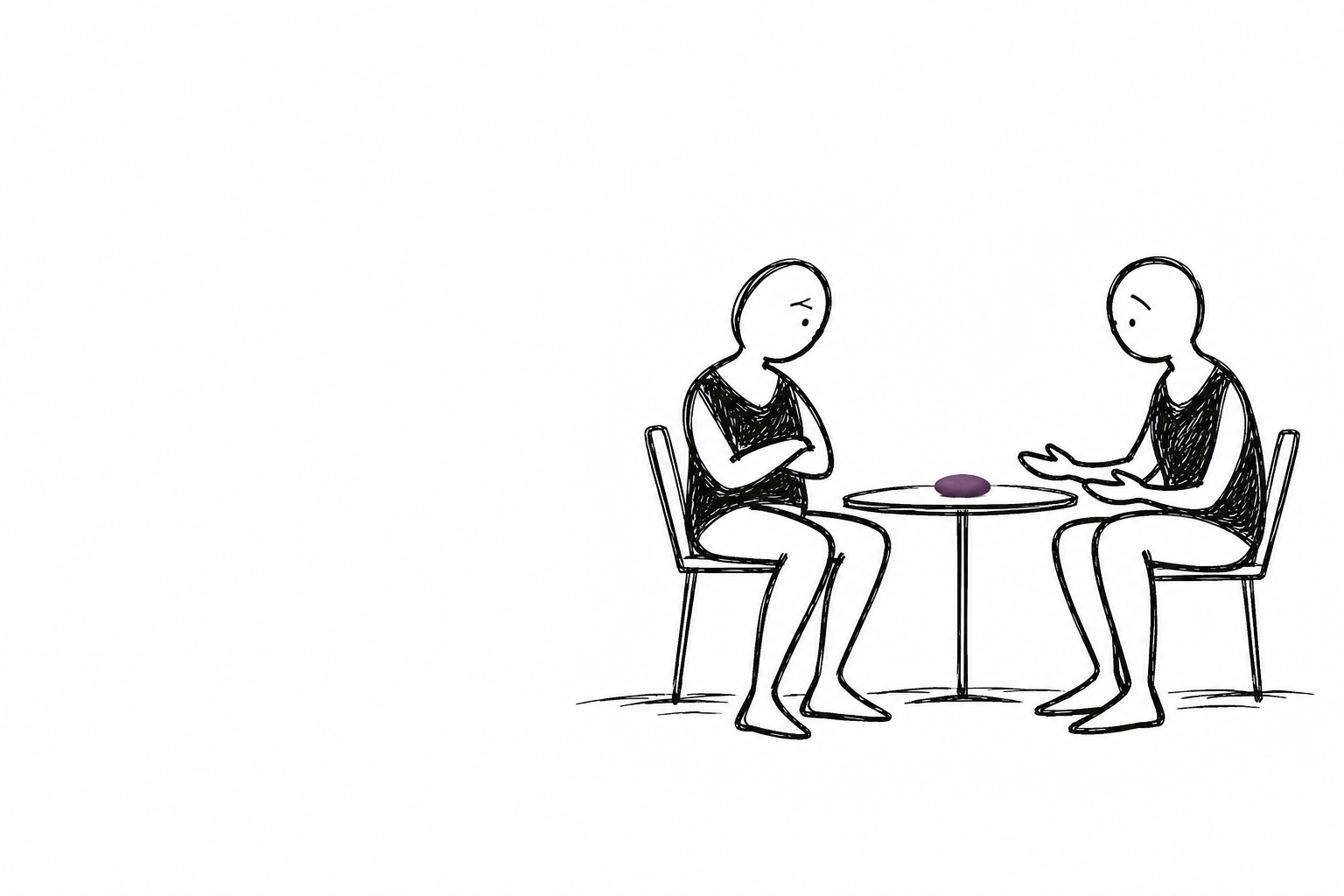
Listening to different voices and agreeing on goals
In ADIR we start from concrete situations and from how each person lives them. Exploring the demands, communication, the responses of the environment and the times when things do work helps to understand the conflict. Learning difficulties, anxiety or communication needs deserve attention before attributing everything to an intention to disturb.
The proposal is tailored to the moment of the child or adolescent and to the family needs. Agreeing on goals can mean reducing climbing, recovering calm after a discussion or facilitating participation in daily life. Reviewing changes allows for adapting work. In adolescence it is also important to listen to one’s perspective and clarify how the family will participate; collaborating does not mean looking for guilty.
It can also help you
Frustration describes an emotional experience; aggressiveness, actions that can harm. Services explain the forms of attention and help place the consultation.
Frequently asked questions
No. Listening to what the child finds difficult and adjusting a demand can go hand in hand with setting clear, safe limits. The aim is to understand the difficulty and find responses that help without humiliation or violence.
When you get in touch, explain who is concerned and what has been happening. How the child or teenager and the adults take part depends on the assessment and the plan. You do not need a diagnosis or to decide in advance how sessions will work. Contact with the school is not assumed.
Safety needs separate attention. Saying no or disagreeing is different from aggression. Where there is harm or risk, do not treat it simply as disobedience. If there is immediate danger, seek urgent help and protect those affected. The contact form is not an emergency service.