Behaviour and relationships / Family
Behaviour and relationships
Family
A space to understand what is going on between you and to think about what needs to change.
Get free informationDifferent ways of living the same situation
Stage changes, disagreements and communication difficulties can affect the whole family. We offer a space to collect the different perspectives and understand what happens in the specific situations that generate concern.
Sometimes the concern arises when sharing tasks, setting limits or accompanying a change. Others, when caring for someone, living with adult children, or reorganizing after a loss. Family is not a diagnosis or there is a single correct way to be. It matters to understand what relationship concerns, how each person lives it, and what supports or difficulties are around.
If there is violence or fear, safety comes first. You can seek help for yourself without attending with the person threatening you. In immediate danger, seek urgent help and do not wait for a reply to the contact form.
From concern to specific objectives
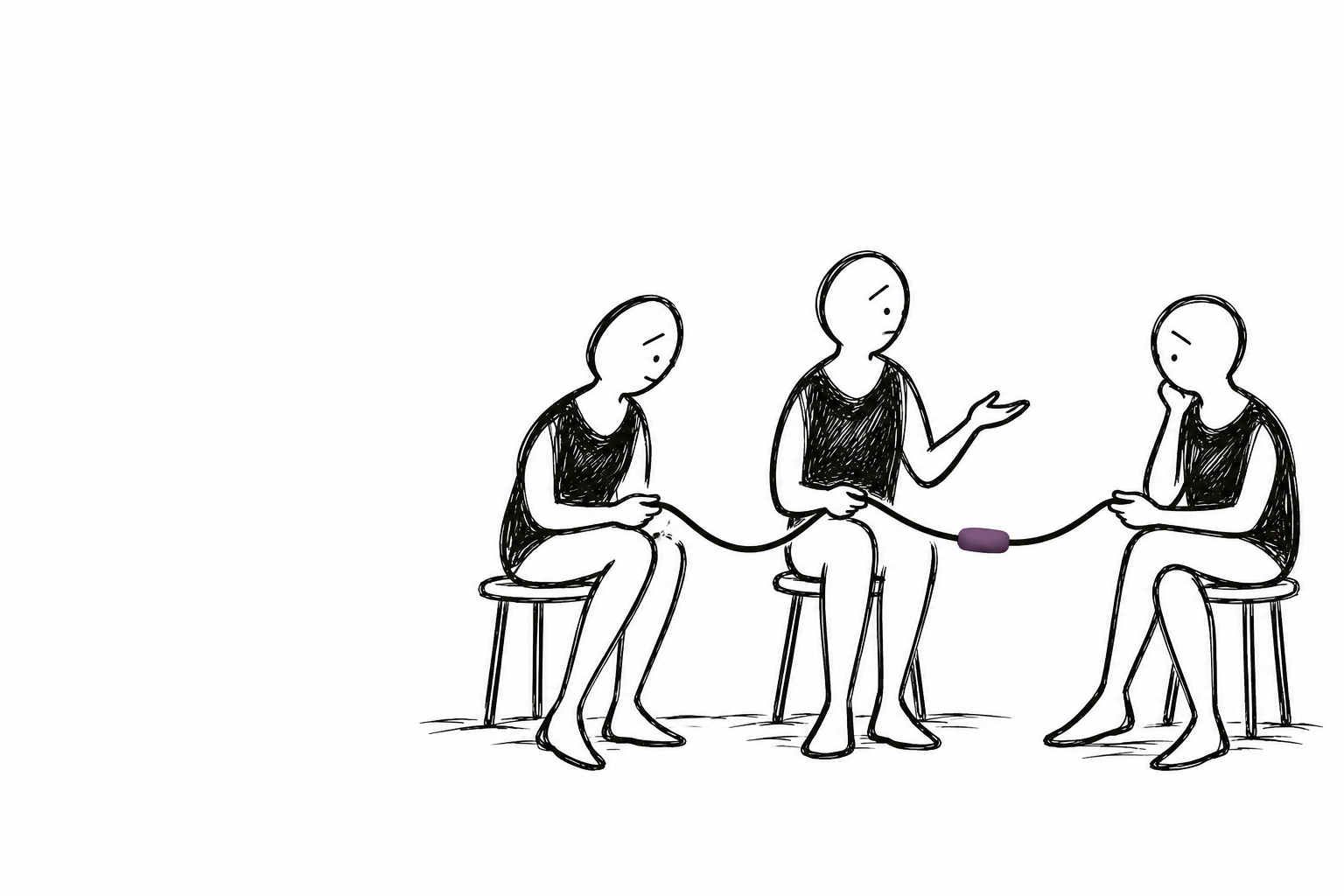
At ADIR, we hear different perspectives and look at what happens repeatedly. Describing what comes before, how each person responds and when things go differently can help move beyond blaming one person. It also helps to notice existing strengths, what already works and the strain on those providing care.
The proposal is based on needs and who wants to participate. It may be useful to establish objectives such as reviewing the sharing of responsibilities, expressing a need or building possible agreements. Evolution is reviewed from different perspectives, without imposing reconciliations or assuming that everyone wants the same thing. If there are minors, their time of development and their own voice also matter; participation and format are clarified according to assessment.
It can also help you
Changes and separations can affect family relationships. These areas explain situations; services describe forms of care and do not imply that all are suitable for each family.
Frequently asked questions
We do not assume the whole family should attend. When you ask for guidance, tell us who wants to get in touch, what concerns them and what they hope will help. Participation depends on needs and the plan. Nobody should be forced to share a session.
Lack of agreement does not prevent you from expressing your own concern. You can consult to orient what you need, without promising to change someone else or speak on their behalf. When multiple people participate, it is appropriate to clarify expectations, what is shared, and privacy limits.
Different situations call for different support. Threats, violence or controlling behaviour require protection and appropriate help. They should not automatically be treated as a communication problem shared by both parties. A family difficulty does not automatically involve mediation, legal advice or a written report.