Adjustment and emotions / Anger
Understand the course of anger.
Anger can signal that a boundary has been crossed, that you feel frustrated or that a need is hard to express. We look at what happens before, during and afterwards, including how it affects life at home and relationships.
It can help to describe a recent situation: what happened, how you felt, how you responded and what consequences it had. Understanding that sequence allows you to figure out what you need to work on.
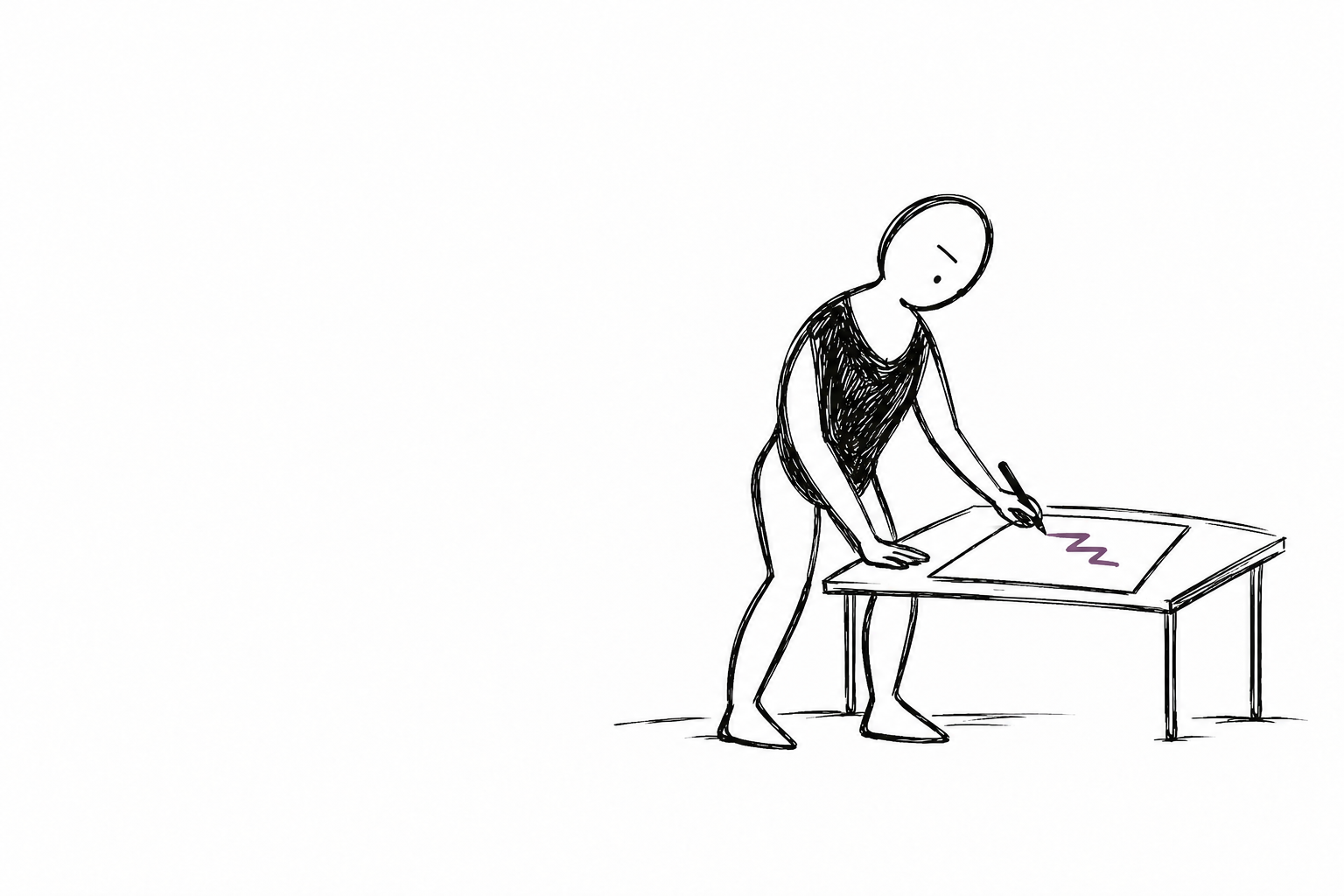
Emotion, response and consequences.
Feeling angry and acting in a way that does harm are different issues. It matters to understand both what is pointing out the emotion and the consequences of the response in you and other people.
Objectives can be related to expressing needs, communicating boundaries or reviewing recurring conflicts. It is also relevant to the context: regulating a reaction does not force to tolerate unjust or harmful situations.
Before the reaction
What was happening and what need or limit appeared.
During the answer
What notes, what you interpret and how you act at that moment.
Post-conflict
What consequences remain and what you wish you could do differently.
Support that takes your wider needs into account
Areas explain what you may worry about; services specify how we can work with you. Initial guidance helps connect both.

Psychology for children and adolescents
A place for children and teenagers to make sense of what they are going through, with support for their families.

Psychology for adults
Make sense of what you're going through and find a way forward that works for you.
Before you take the first step
Is feeling angry the same as being aggressive?
Anger is an emotion; aggression refers to behaviours that can cause harm. Understanding anger and caring for harmful behaviour require differentiated questions.
The goal is never to get angry?
Work aims to understand what happens and what answers are affecting your life or relationships. Expressing needs and setting limits can also be part of that question.
What if we consult about our son's reactions?
You can explain in which situations they appear, how the environment responds and how the child lives it. Age and context help to assess needs without labeling by an isolated reaction.
We can start with what you're worried about.
You don't need to know which service to choose. Tell us your situation and we will guide you on how to start.
Get free information