Thinking and mood / Phobias
When Avoiding Starts to Limit Your Life
Some fears are linked to specific objects, situations or experiences and can lead to avoiding them. We explore what happens in these situations, how fear has evolved and what consequences it has in everyday life.
Being cautious about a real risk differs from arranging your life around avoiding an animal, a lift or a medical test. What matters is how intense and persistent the fear is and what it is stopping you from doing. Naming what you fear is not enough to make a diagnosis.
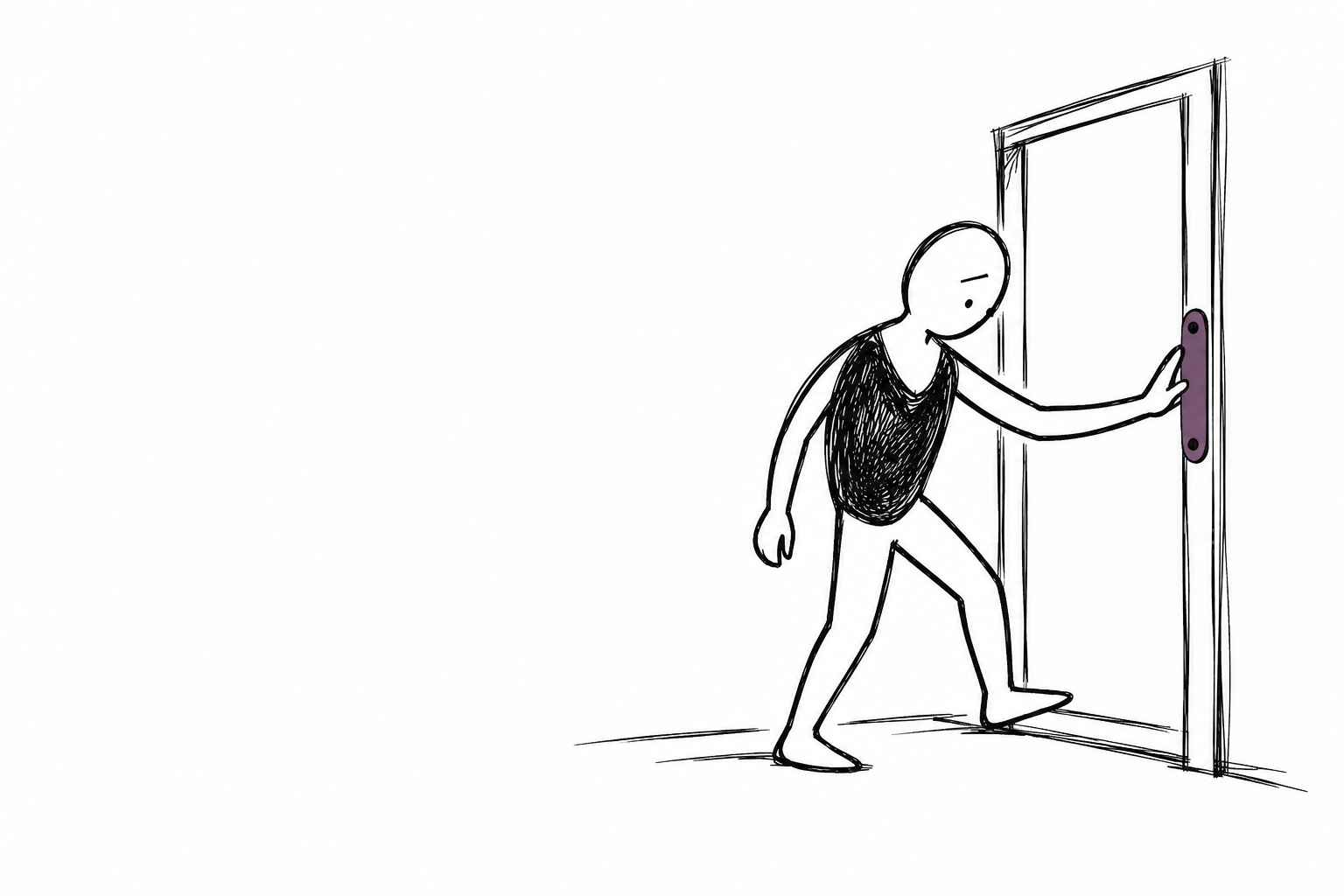
Understanding fear and regaining choice
In ADIR we listen to your story, what you anticipate can happen and what you do when fear appears. We are also interested in what you would like to recover: move with more autonomy or resume an important activity for you. The proposal starts from the assessment and agreed objectives.
Treatment for specific phobias may involve a planned approach to safe situations you tend to avoid. It should have a clear purpose and be tailored to you. It is not a test of courage and does not involve being taken by surprise or put in real danger. In an appointment, you can discuss what might help and how to review progress.
It can also help you
Fear of a particular object, widespread concern, and fear of a repeated panic attack are not identical experiences. You can explore these differences and our services.
Frequently asked questions
Not necessarily. Fear of an animal or flying differs from fear of being judged when speaking with others. It is also important to explore fears about being unable to leave or get help. Assessment helps distinguish these experiences and tailor the plan.
The time spent does not prevent you from asking for guidance. You can explain what you have stopped doing, what supports you have and what you would like to recover. You cannot promise a fixed number of sessions or that fear disappears completely; progress is also observed in everyday life.
Listen to what he fears without ridicule or forcing him to prove that he can. It is important to understand his developmental moment and what happens at home or at school. If he refuses to go to school, a phobia should not be deduced without exploring other reasons, such as learning difficulties, relationships or security.
Talk to your health care team before the test. Explain if you have fainting or fainting — it's different from feeling nervous or the heart has accelerated.
Tell me what has helped you other times and ask if someone trusted can accompany you. If fear leads you to defer attention you need, you can ask for career guidance to address it; you don't have to show that you can endure it without support.
Sources: NHS: Blood tests · Guy’s and St Thomas’: Fear of Needles. Retrieved on 02-11-2026.