Thinking and mood / Sleep disorders
Thinking and mood
Sleep disorders
Understand the difficulties to rest and its effect during the day.
Get free informationSleeping badly doesn't always mean the same.
The difficulties in conciliating or maintaining sleep and the feeling of not resting can affect attention, encouragement and daily activity. We collect the history of rest, routines and personal context to guide a adjusted assessment.
It's not the same to want to sleep and not to get it that you don't have time or conditions to rest. It's also important to distinguish unrepairable sleep from sleepiness during the day. Hours, shifts, care, pain or worries can be part of the story; not everything is explained by anxiety.
If there are breathing pauses, intense snoring with wheezing or a lot of daytime drowsiness, consult a healthcare professional. It is not advisable to attribute these signs automatically to stress or replace their assessment with psychological advice.
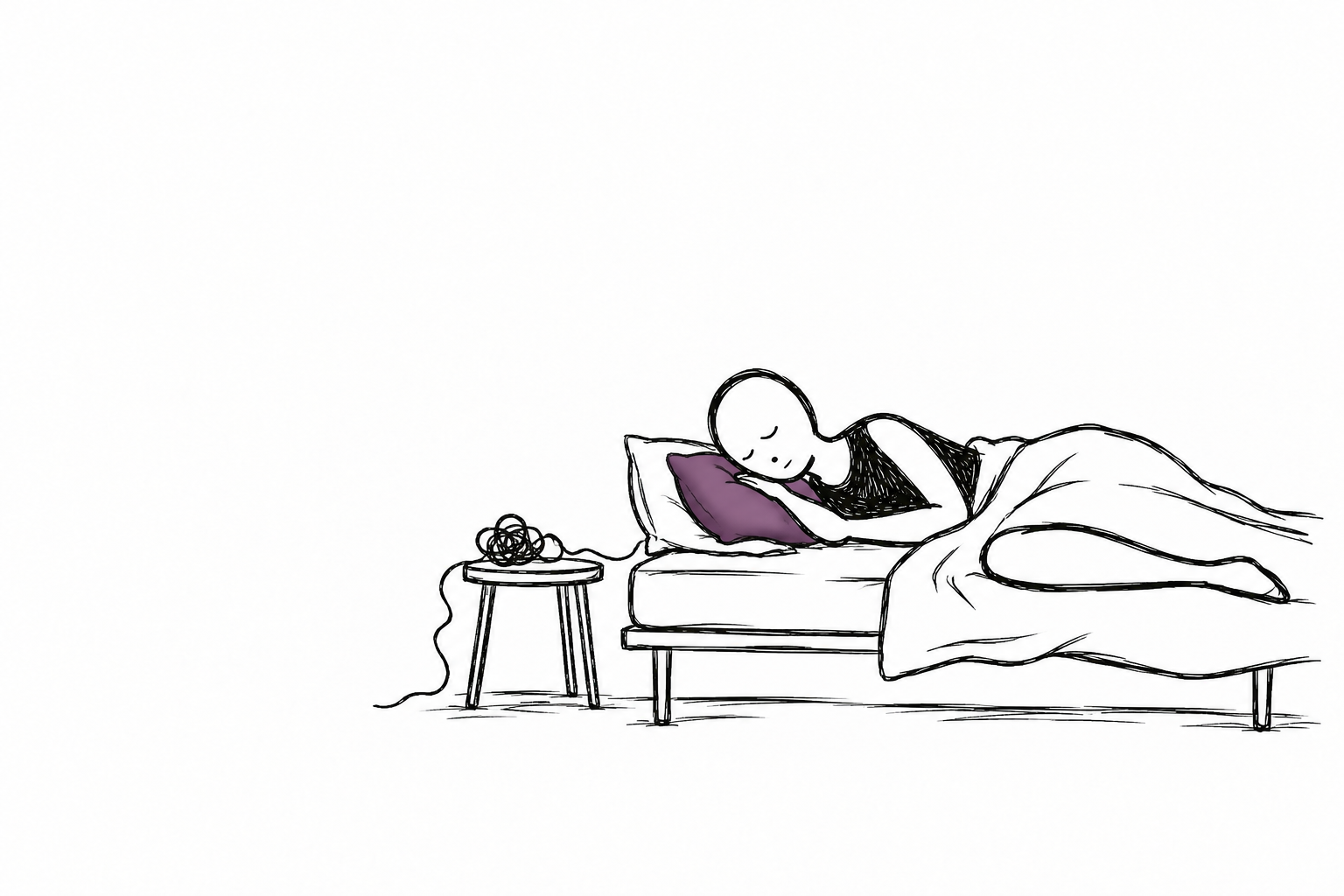
Understanding the night and what happens during the day
At ADIR, we ask when the problem started, what has changed and how it affects your life. Assessment considers your routines, circumstances and what you need to get back to. The number of hours you sleep is only one part of the picture. Tiredness, concentration, mood and daily activities also matter.
An initial discussion helps clarify the problem and what kind of care may be appropriate. Goals and follow-up depend on the situation. If your sleep does not improve, it helps to review what is happening and whether you need a medical assessment. This page cannot replace an assessment for other sleep problems.
It can also help you
Concerns or mood changes can relate to rest, without explaining all of its difficulties. You can explore these pages and learn about our services.
Frequently asked questions
No. What matters is having difficulty sleeping despite having an opportunity to sleep, and how it affects you during the day. One bad night is not enough for a diagnosis. If the problem persists, worries you or limits your life, you can seek advice before it gets worse.
Sleep habits and conditions matter, but may not be enough for persistent insomnia. Specific approaches such as cognitive behavioural therapy for insomnia in adults require professional assessment and adaptation. Do not restrict your time in bed on your own or change medication without speaking to the person who prescribes it.
Listen to how your child experiences the problem and note their schedule, opportunities to sleep and what the family observes. In children, attention difficulties or restlessness can also accompany sleep problems. Avoid assuming these are simply behaviour problems. Assessment should reflect the child's stage of development, without automatically applying an adult treatment.
It can help you gather examples of several days to explain what happens:
- What time do you lie down and get up, and if you nap?
- If you have trouble falling asleep, you wake up or it takes a while to get back to sleep.
- How do you feel when you get up and when you get drowsy during the day?
These observations help describe the difficulty; they are not a diagnosis and you do not need to complete a record to ask for guidance.
Source: NHLBI · Insomnia: diagnosis. Retrieved 02-11-2026.