Cognition and learning / TEA
Cognition and learning
Autism and support (ASD)
Knowing the person and understanding what can facilitate their daily life.
Get free informationEach person, different needs.
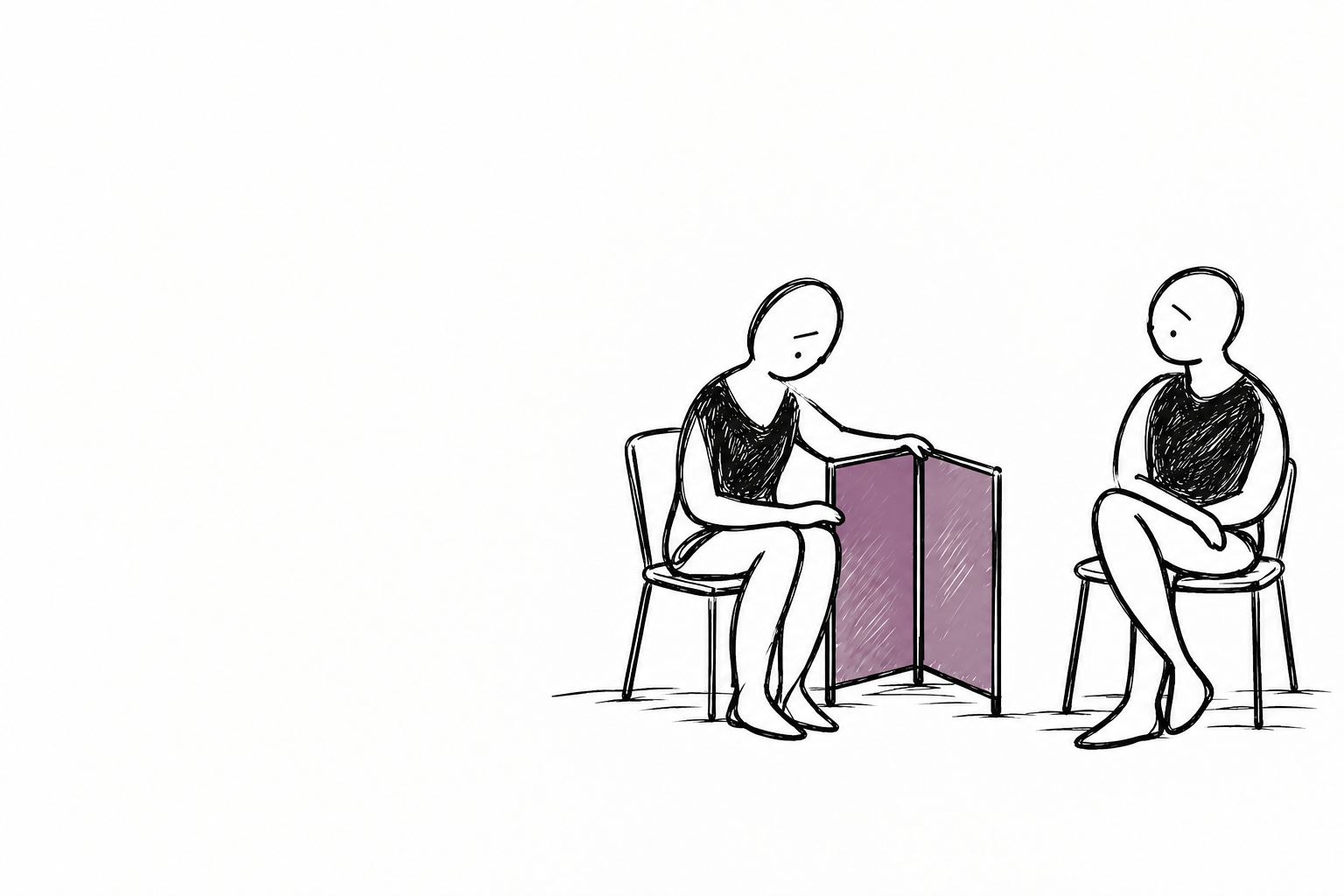
Autism spectrum disorder (ASD) can affect people in different ways. Communication, relationships, interests, routines and sensory sensitivities vary from person to person. It helps to understand each person's strengths, preferences and support needs. Some people prefer “autistic person” and others “person with autism”. Respect the language each person chooses.
Evaluating and accompanying are different steps.
Asking about a concern, having a specialist assessment and reviewing support after diagnosis are different reasons to get in touch. Assessment considers developmental history, everyday life and other possible difficulties. A questionnaire or a single sign cannot replace an assessment. In the first conversation, clarify what you want to find out and what ADIR can offer for the person's age and circumstances.
Starting from what matters to the person
Being able to express a need, anticipate a situation or participate in a chosen activity are examples of concrete objectives. Supports must make sense to the person and be reviewed according to their usefulness, well-being and effort.
Look at the environment as well
Noise, lighting, unforeseeable changes or a way of explaining difficult to follow can add barriers. It is important to explore which adjustments facilitate communication and participation. Faced with a change or discomfort, pain, sleep and other health needs are also considered.
Coordinating without losing your voice
With appropriate participation and consent, information from families, schools or people providing support can be helpful. For adults, assessment takes account of their preferences and their study, work or daily life. Support designed for children does not automatically apply to adults.
Needs that may require different support.
Communication, learning and emotional distress may raise separate questions. An initial discussion can help distinguish them and consider whether coordination or referral is needed. Ask which assessment and support options are available in your situation.
Neuropsychology for children
Know development and learning needs.
Neuropsychology for adults
Consult on the assessment of cognitive functions in adult life.
Before you take the first step
Not on its own. An assessment brings together information about development and context and considers other explanations or conditions that may coexist. This website can help you decide what to ask. It cannot confirm or rule out a diagnosis.
No. Goals and approaches depend on each person's needs, preferences and stage of life. Support can focus on communication, participation or a particular co-occurring difficulty. It should never be presented as a promise to cure autism.
The age, the reason for consultation, the difficult situations and the support that already exist. You can comment if you are looking for guidance, an evaluation or review an accompaniment. It clarifies with the centre the scope of the attention, the professionals and the adaptations available.