Thinking and mood / Anxiety and panic attacks
Thinking and mood
Anxiety and panic attacks
Understand concern, fear and its daily impact.
Get free informationWhen Worry Takes Too Much Space
Anxiety can appear linked to concrete situations or accompany different moments of life. The evaluation gathers what happens, what thoughts and sensations accompany it and how it influences your decisions, activities and relationships.
Feeling anxious from time to time is part of life. Consider seeking support if worry is hard to manage, distress keeps returning or you start avoiding activities. You do not need a diagnosis or have to wait until it feels unmanageable.
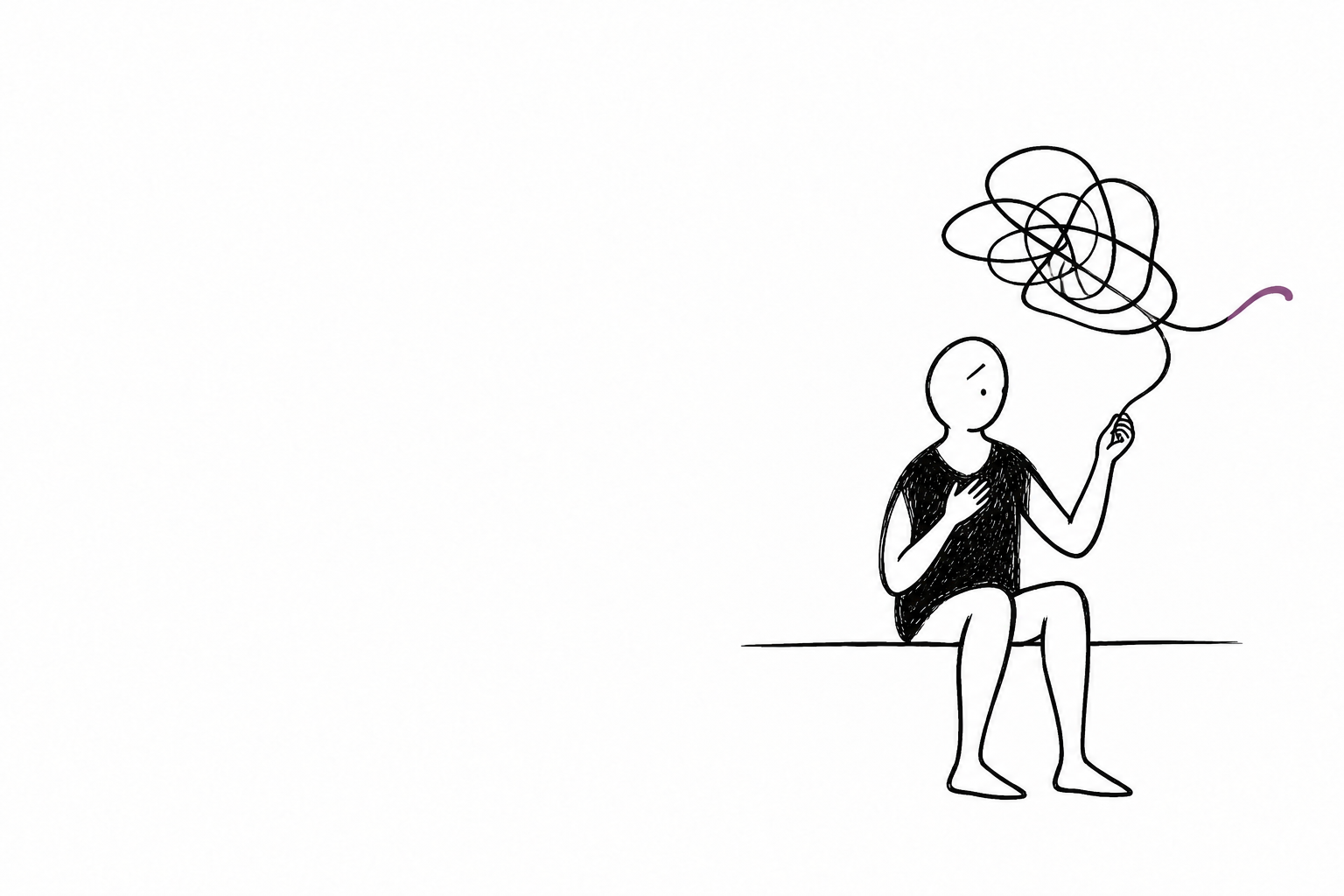
Persistent concern and panic: different experiences
In generalised anxiety, worry can extend to everyday things such as health, work or family. It can be hard to control and may come with tension, tiredness or sleep problems. Worry alone is not enough to identify a disorder. How long it lasts, how intense it is and how it affects daily life all matter.
A panic attack is a sudden appearance of fear or intense discomfort, which can include palpitations, tremor, dizziness, or a feeling of shortness of breath. It can be very scary. It is important to distinguish the episode from the fear of coming back and from the situations you begin to avoid.
Physical symptoms also need attention
Do not automatically put new physical symptoms down to anxiety, even if you have experienced anxiety before. Chest pain needs urgent medical attention. Call 112 and follow the instructions you receive. In an emergency, do not wait for a reply to an ADIR contact form.
Understand what happens and agree how to work it
In ADIR we start from your story and from how you are living this moment. We are interested to know when the discomfort began, what triggers it, what you do to feel safe and what impact it has on your day-to-day. It also matters the rest, health and support available.
The proposal adapts to your needs and objectives. Understanding the relationship between thoughts, feelings and answers can help make sense of what happens. We agree what to do and review evolution: recovering important activities also counts, as well as reducing discomfort.
If you consult for a child or adolescent, it matters to hear how they live and what is changing at home, at school or with their friends. Support needs are valued according to their developmental moment; explanations or proposals for adults are not simply moved.
It can also help you
If the fear appears in the face of something concrete or the discomfort is linked to an overload, these pages can help you place your concern. You can also know our services.
Frequently asked questions
Yes, a panic attack can come on unexpectedly. A single episode does not establish panic disorder. An assessment considers what happened, whether it happens again and whether persistent worry or fear of another attack affects how you live.
Avoiding transportation, going out alone or places where you fear you will not be able to receive help can limit your autonomy. That anticipation deserves attention, even if you have not had an attack. You can tell what you have stopped doing and what you would like to recover.
It helps to review what is happening, your goals, any difficulties following the plan and other care options. This does not reflect a lack of willpower. If you have new symptoms or their intensity changes, you may also need a medical assessment.