Adjustment and emotions / Sadness
Adjustment and emotions
Sadness
Understand the sadness and space it occupies in your life.
Get free informationUnderstand how you're living sadness.
Sadness can appear in the face of losses, disappointments or situations difficult to assimilate. We are interested in knowing when it appears, how you express it and how it influences your relationships and activities. We start by listening to what happens to you.
You can tell what has changed in your desire, relationships, or activities, even if you don’t know why you feel that way. The experience of sadness deserves space without reducing it to a question of attitude.
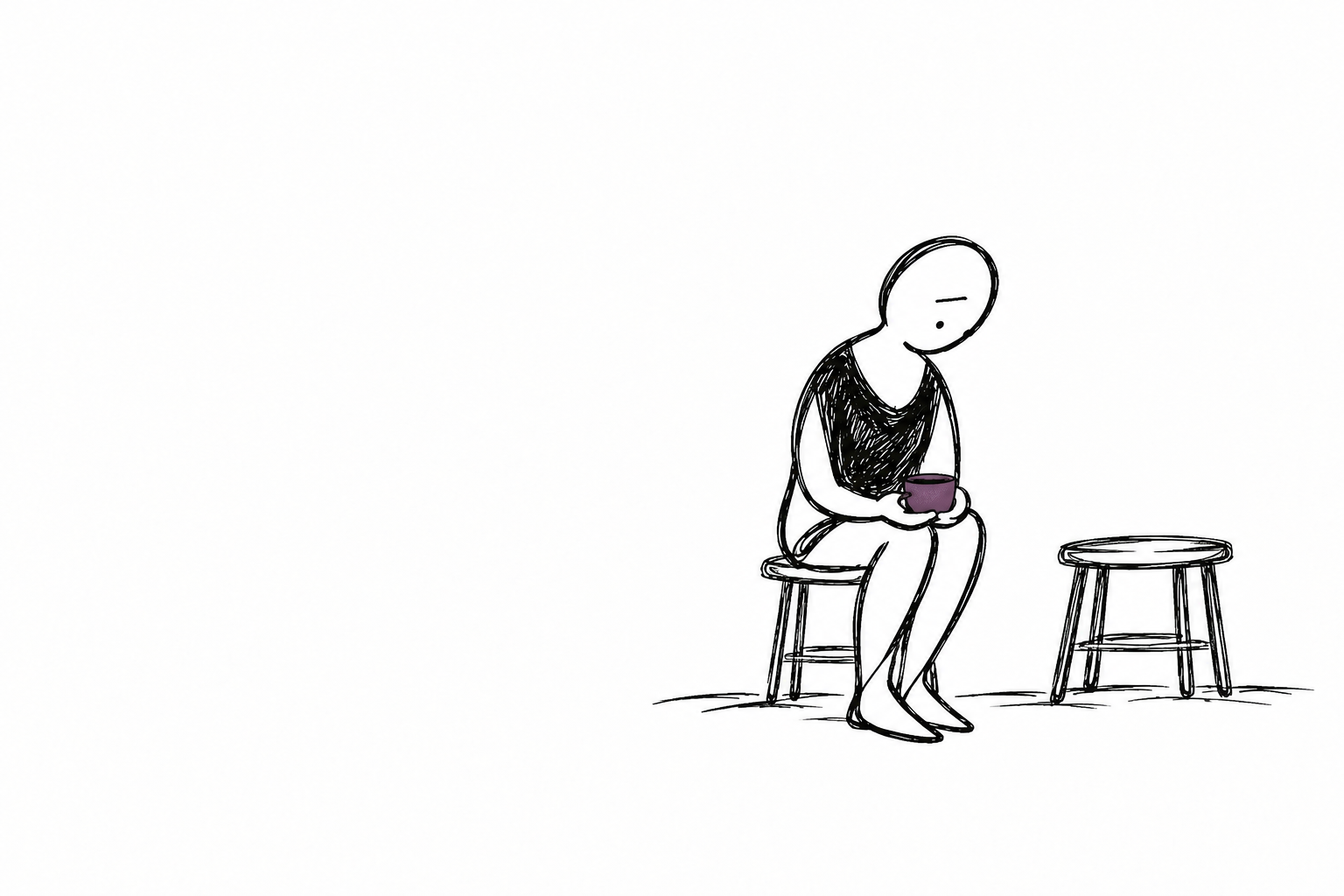
Evolution, context and needs.
In order to locate the discomfort it matters when it is present, how it changes and what effect it has on your life. It is also interesting to know what activities you keep, what helps you and what is costing you the most.
Sadness and depression are not equivalent terms. If there is persistent loss of interest or significant difficulties in daily functioning, an assessment allows us to understand the whole of what happens without drawing conclusions from a list of symptoms.
What you're living
What has changed and how you express it or share it.
His place in your day to day
How it affects the interest, relationships, and usual activities.
The support you need
What helps you and what questions should be clarified in the assessment.
Support that takes your wider needs into account
Areas explain what you may worry about; services specify how we can work with you. Initial guidance helps connect both.

Psychology for children and adolescents
A place for children and teenagers to make sense of what they are going through, with support for their families.
Psychology for adults
Make sense of what you're going through and find a way forward that works for you.
Before you take the first step
Does being sad mean having depression?
They are not equivalent terms. The assessment takes into account evolution, the set of difficulties and their daily impact. An emotion or an isolated example does not allow us to establish a diagnosis.
Can I consult even if I continue working or studying?
Yes. Maintaining some responsibilities alone does not explain how hard it is for you to sustain them. You can talk about the effort, discomfort and support you need.
What if I consult for my son or daughter?
You can explain the changes you see at home or at school and how the child lives them. Their age, experience and environment help to locate the consultation.
We can start with what you're worried about.
You don't need to know which service to choose. Tell us your situation and we will guide you on how to start.
Get free information