Behaviour and relationships / Social skills
Behaviour and relationships
Social skills
Find resources to communicate and participate in a way that makes sense to you.
Get free informationWhat do you want to do and what makes it difficult for you?
Starting a conversation, expressing a need or handling disagreement can be hard at different stages of life. We look at the situations you find difficult and the support available, then tailor the approach to the person and their age.
Knowing what to say and block yourself out of fear of judgment is not the same as needing tools for a new situation. There may also be a lack of an environment that listens or gives opportunities to participate. Being introverted, preferring moments of loneliness or communicating otherwise does not mean having a deficit. It matters if there is discomfort or if something prevents you from doing what you want.
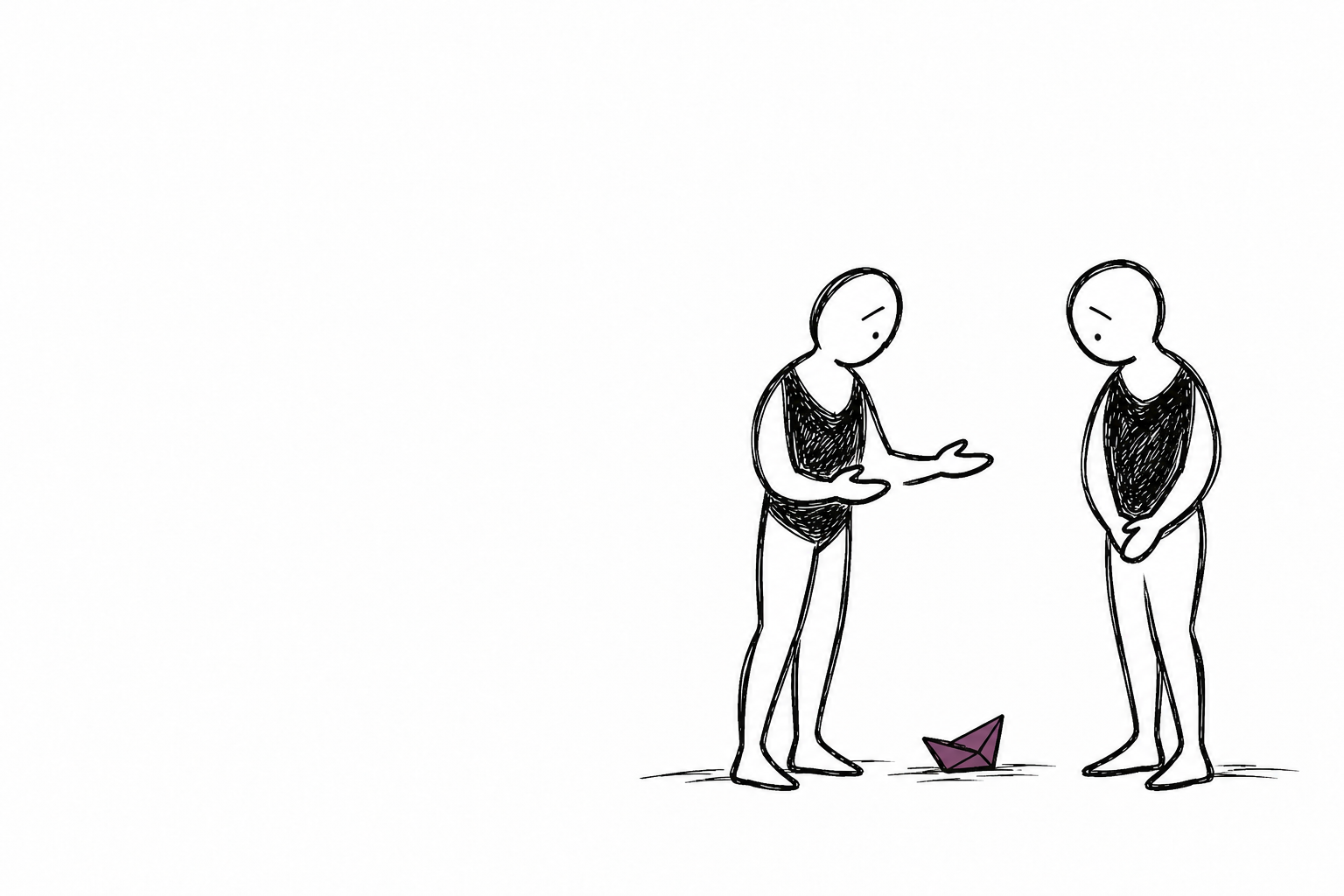
Understanding the context and agreeing on own goals
At ADIR, we start with the situations that concern you and the skills and support you already have. We can explore when it is hard to take part, what happens before and afterwards, how fear of judgement affects you and what support is available. Assessment helps distinguish needs that may call for different approaches.
Objectives should have meaning for your life: for example, asking for help, expressing a limit or starting a conversation when you want to do it. Reviewing changes means looking at what happens outside of consultation and how you feel, besides what you know how to explain. In childhood and adolescence it is important to listen to the child and consider his development and his environment; family participation and format are concrete according to the assessment.
It can also help you
Shame and anxiety can influence relationships, without meaning the same as a difficulty of communication. You can explore these areas and know the forms of attention.
Frequently asked questions
It doesn't have to. The goal is built from your needs and preferences. There is no ideal number of friends or an obligation to talk more, look in the eyes or fit into a single way of relating.
The format depends on the objective, the needs and the proposal available. A group can offer interaction between participants, but it is not suitable for everyone nor is it equivalent to any workshop. When asking for guidance it is useful to specify what you are looking for; this page does not confirm specific groups, places or programs.
It is not appropriate to attribute all the difficulty to the person who suffers it. Rejection and harassment require caring for the environment and protection, as well as listening to the discomfort. Learning to communicate does not mean accepting harmful situations or taking responsibility for the behaviour of others.