Thinking and mood / Obsessions
Thinking and mood
Obsessions
Listen to repetitive thoughts and what happens around them.
Get free informationWhen an idea comes back and it's hard to get on with your day
When thoughts return again and again, they can take up time and cause distress. An assessment looks at what the thoughts are about, how you respond and how they affect routines, decisions or relationships.
An unwanted thought, a preference for order or going over a problem does not by itself mean you have obsessive-compulsive disorder (OCD). It helps to understand what follows, such as checking, repeating, avoiding or seeking certainty that briefly brings relief before doubts return.
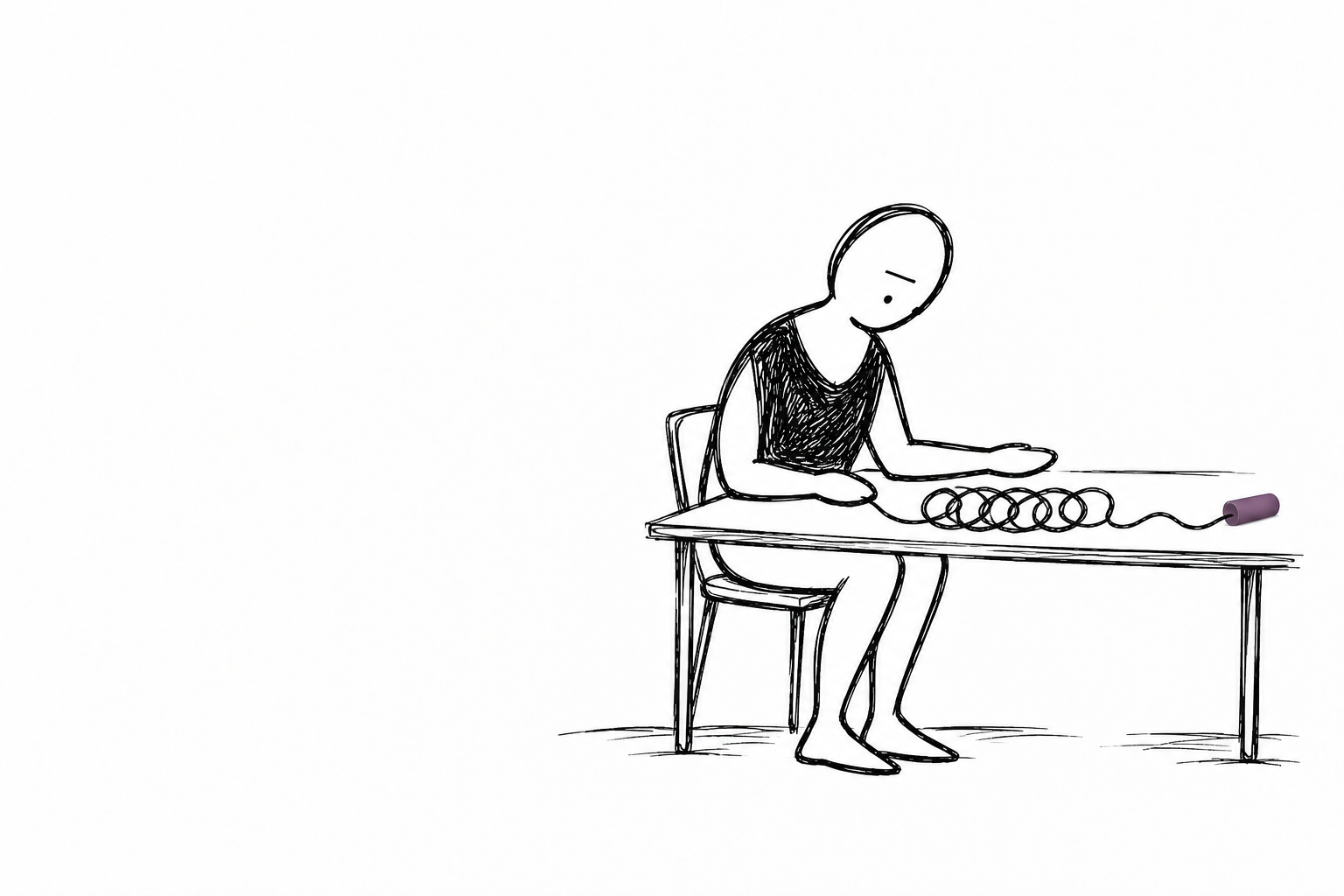
Understanding thought, discomfort and response
In ADIR we start from what you are living, without you need to arrive with a label. You can explain how much time it takes, what you try to do to feel better and what activities or decisions have become difficult. They also tell about rest, mood and impact on relationships.
The evaluation guides the goals and attention that may be appropriate. It's not just about asking you to think positive or stop giving it importance. Reviewing how you respond to discomfort and what you need to recover autonomy requires work tailored to your situation and a follow-up of everyday changes.
It can also help you
Worry, guilt, or shame can accompany these experiences, although they do not alone explain what is happening. You can explore these pages and learn about our services.
Frequently asked questions
Yes. Some compulsions take place in your mind. You might go over a scene, count or repeat words to try to ease distress. They can take time and effort even if nobody sees them. Mention them in an assessment, since that behaviour alone cannot establish a diagnosis.
Sometimes another person’s confirmation calms down for a while, but the doubt reappears and needs to be asked again. Exploring what function that answer fulfills can help you understand the problem. It’s not about blaming the one who asks or the family who tries to help.
Listening without ridiculing the discomfort and explaining how it affects shared life can be a first step. If there is participation in checks or rituals, any change should be remembered in a sensitive and supportive way; it is not recommended to withdraw all help at once. In minors it is also important to distinguish routines from development from difficulties that interfere in your life.