Adjustment and emotions / Frustration
Adjustment and emotions
Frustration
Find another way to respond when something doesn't go as you expected.
Get free informationBetween what we expected and what happens
A mistake, a delay or a limit can bring on frustration. You might get angry, feel like giving up, freeze or push yourself even harder. Frustration is not a diagnosis and does not mean you have to manage everything on your own.
It is important to look at what has happened, what we expected and what we do next. It is not the same to lose a game as to face a difficult task every day. Understanding that difference helps to think about what support or change may be needed.
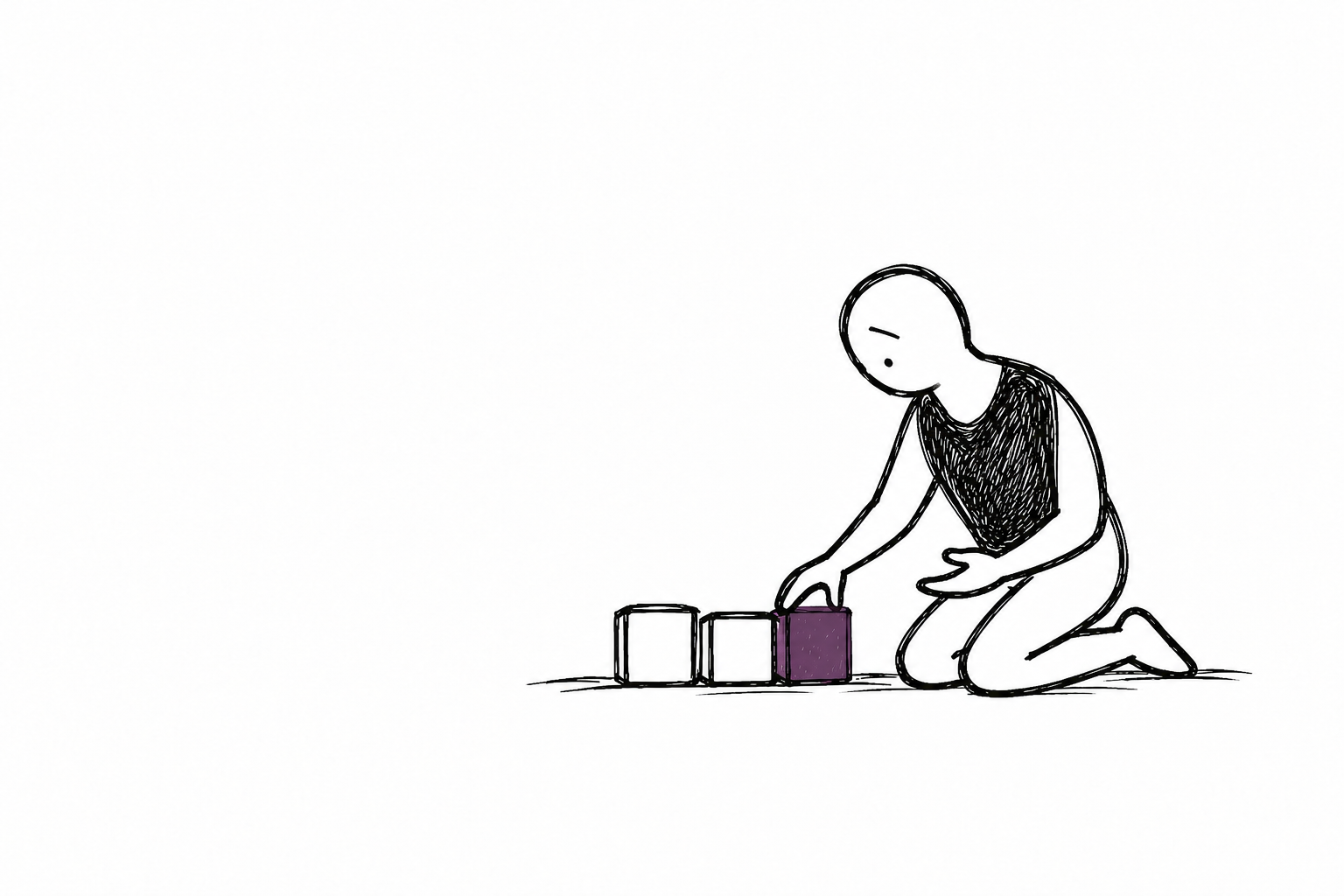
Understanding the Obstacle and Finding Alternatives
In ADIR we hear in what situations the discomfort appears and how it influences your life. We can explore the expectations, resources and difficulties behind, to agree goals adjusted to your moment.
It is not a question of avoiding any frustration or of enduring harmful situations. Sometimes it is necessary to learn to wait or change a plan; sometimes, to ask for help, review a demand or set a limit. If the concern is for a child or adolescent, it is also important to understand their developmental moment and their environment.
It can also help you
These experiences can be related to other moments or emotions. You can explore them and learn about our services.
Frequently asked questions
Not always. Accompanying can be listening to the discomfort and offering tight support, without immediately resolving each obstacle or demanding to face it without help.
It is also important to review the demand. If a task exceeds the available resources, it is not enough to ask for more effort: it may be necessary to adjust the objective, pace or support.
When discomfort is repeated and limits activities, relationships, or decisions, you can ask for guidance. Intense, persistent, or harmful bursts require understanding their context and consequences; they are not explained only as low tolerance.