Thinking and mood / Personality
Thinking and mood
Personality
Understand personal patterns, bonds, and ways of responding.
Get free informationUnderstand what is repeated, without reducing yourself to a label
The way to interpret what happens, feel and relate is constructed throughout each person's history. When some patterns create difficulties, we explore their context and function to agree on work goals that make sense to you.
Sometimes there are repeated ways of responding or relating that cause us discomfort. Understanding when they appear, what meaning they have in our history and how they affect everyday life helps us to realize what we would like to work. An isolated conflict does not allow us to draw conclusions about an entire person.
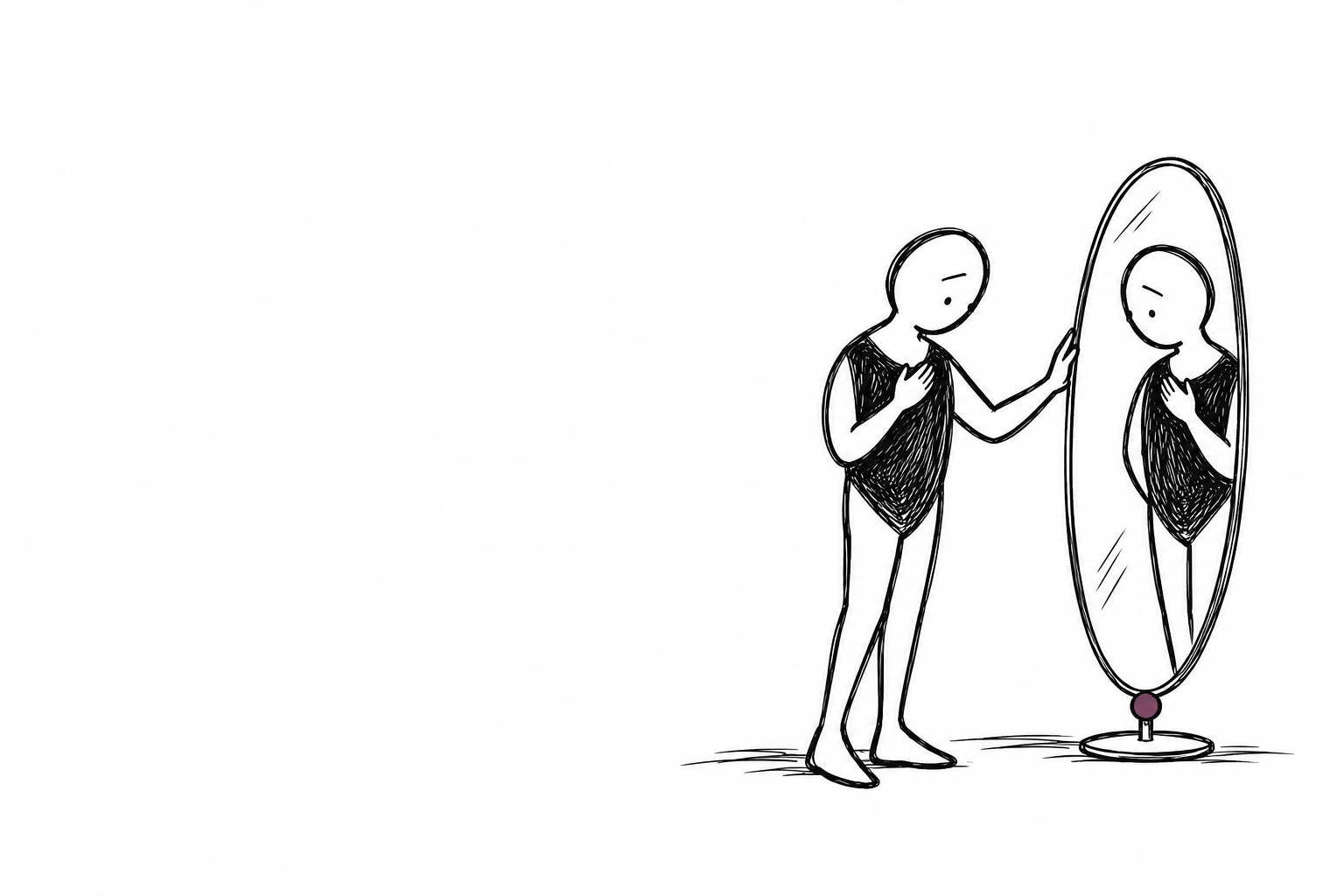
Starting from a situation that worries you
We can start with a situation that concerns you: what is happening, how you experience it and what you have tried. Assessment helps identify your needs and strengths, understand the role of the context and agree goals. Professional guidance helps you decide what kind of care might suit you and what questions remain.
Agreeing on what you would like to understand or do in another way allows you to realize the work. It can be expressing a need, facing a conversation or reviewing how you respond to a conflict. The proposal is reviewed according to what is happening and the impact on your life; it does not presuppose that all difficulties have the same explanation.
It can also help you
Self-esteem or shame can be part of what you are living, without defining your entire personality. You can explore these pages and get to know adult care.
Frequently asked questions
The reason for consultation is not a diagnosis. You can explain what concerns you without having to put on a label. Professional assessment allows you to explore the situation and its possible explanations before drawing conclusions.
The proposal starts from the difficulties you want to understand and the objectives we agree on. We can talk about how you respond in specific situations and what you need, without reducing who you are to a trait or a label.
It is worth exploring that relationship and its context, as well as how you are living it. A disagreement does not allow diagnosing someone who has not been valued. You can consult for your own discomfort and for what you need, without having to assign yourself or assign a label.