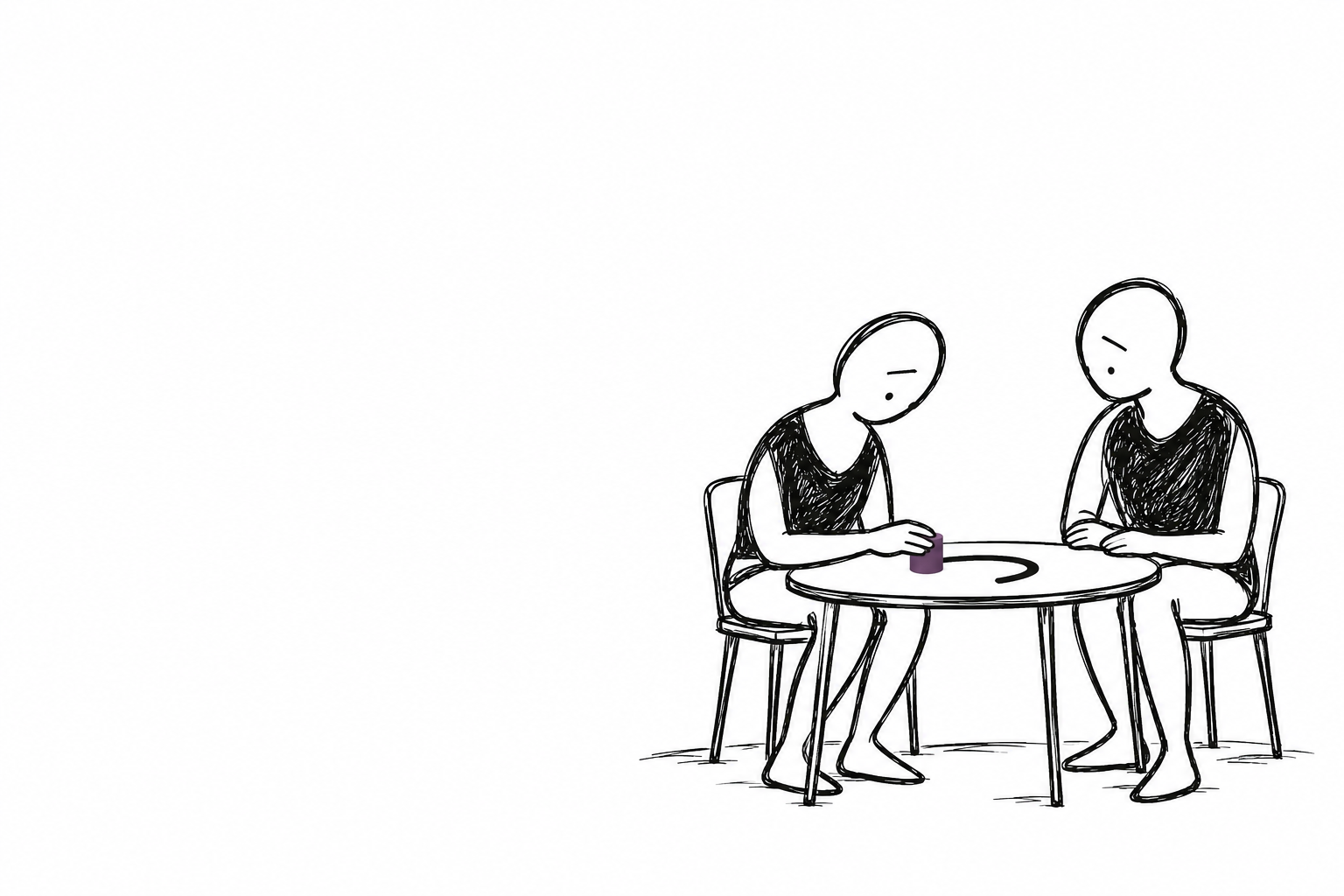
What do we mean by dementia?
Dementia is a group of symptoms caused by a decline in brain function that affects daily life. It can affect memory, language, attention, reasoning, behaviour and independence.
There are different causes, including Alzheimer's disease, vascular disease and dementia with Lewy bodies. Symptoms and progression vary from person to person.
Forgetfulness does not always mean dementia, and dementia is not an inevitable part of ageing. If changes persist or interfere with daily activities, speak to the person's medical team.
The person, his abilities and his environment
Neuropsychological assessment helps describe the functions that present difficulties and the capacities preserved. This information should relate to what the person can do at home, in his relationships and in his usual activities.
Accompaniment is aimed at specific objectives: facilitating routines, adapting activities and developing support strategies. It is also important to understand how the family lives and what needs the carer has.
You can ask ADIR about cognitive assessment and stimulation for adults. The scope depends on the person's situation and goals. This support does not replace diagnosis or medical follow-up.
Frequently asked questions
Does neuropsychological assessment replace medical consultation?
No. Neuropsychological assessment provides information about thinking abilities and daily life, which should be considered alongside clinical assessment and medical follow-up.
Can a family member participate in the consultation?
Information about the environment can help to understand the changes. It is useful to comment from the beginning who will participate and how the will of the person will be taken into account.
What examples can the family prepare for an assessment?
It can help count concrete changes from the usual, without turning them into a list to diagnose:
- What has changed and since when; if it happens repeatedly.
- How it affects known tasks, such as remembering appointments, preparing a meal, or paying bills.
- What support she needs now and what she continues to do for herself.
The person must also be able to explain how he lives it. A relative can complete that information, respecting his will, without replacing his voice.
Sources: NICE NG97: initial assessment · NHS: query for memory changes. Retrieved on 02-11-2026.
We can start with what you're worried about.
Tell us your situation and we will guide you about the services of the centre.
Get free information