Adjustment and emotions / Fear
Adjustment and emotions
Fear
Understand what scares you and how it conditions your decisions.
Get free informationWhat do you fear and how do you influence your life?
Fear can protect us and can also limit activities we care about. What it means for a child, teenager or adult depends on the context and stage of life. Assessment looks at what you fear, how you respond and how it affects everyday life.
Sometimes fear becomes visible in what we begin to avoid. Telling what situation you are concerned about, what you think might happen, and what activities you have stopped helping to understand its scope.
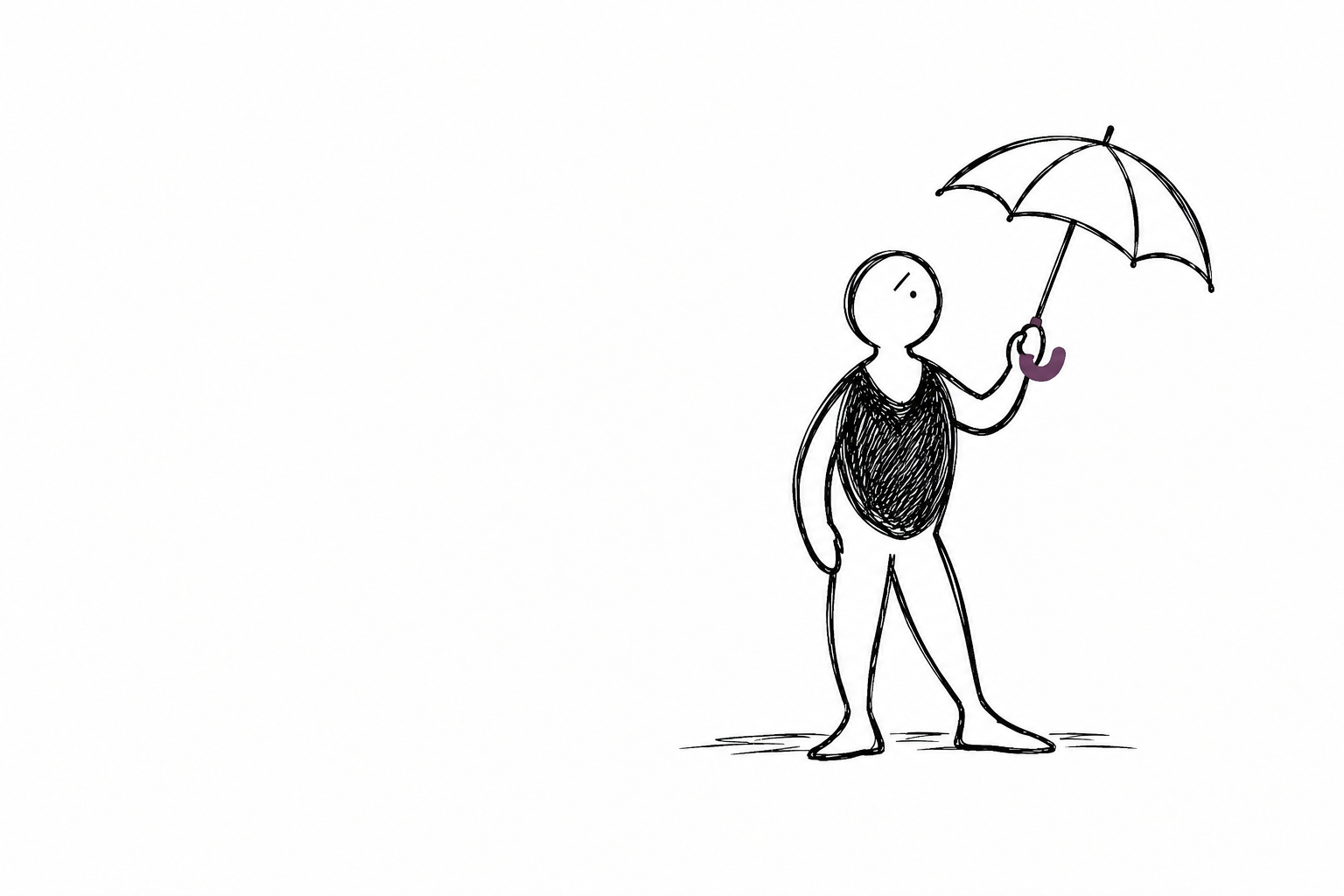
Appreciate the situation before you act.
The meaning of a fear depends on the age, context and real security of the situation. The intensity you feel and the consequences of avoiding something are aspects that should be explored together.
The consultation can start from an important activity for you that is being limited. It is also interesting to know what supports you have and what you have tried, without imposing confrontations or assuming that any fear is a phobia.
The dreaded situation
What you're worried about and what you expect to happen.
Your way of responding
What you avoid, what help you seek, and how it affects your decisions.
A daily priority
What activity you would like to be able to recover and what conditions you need.
Support that takes your wider needs into account
Areas explain what you may worry about; services specify how we can work with you. Initial guidance helps connect both.

Psychology for children and adolescents
A place for children and teenagers to make sense of what they are going through, with support for their families.

Psychology for adults
Make sense of what you're going through and find a way forward that works for you.
Before you take the first step
Does being very afraid mean having a phobia?
It cannot be concluded by intensity alone. It matters the situation, evolution, avoidance and how it limits your life. The Fobias page develops that specific question.
Do I have to face what I fear on my own?
It helps to understand what is happening and whether there is a real risk. Any plan for care depends on the assessment. This page does not tell you to expose yourself to what you fear or offer an exercise that suits everyone.
How do I explain a child's fear?
You can comment when it appears, what it avoids and what you observe at home or at school. It is important to also listen to its explanation and take into account the moment of development.
We can start with what you're worried about.
You don't need to know which service to choose. Tell us your situation and we will guide you on how to start.
Get free information