Cognition and learning / Tics
Cognition and learning
Tics
Understand what happens and how it affects, without blame or control requirements.
Get free informationMovements or sounds don't explain everything.
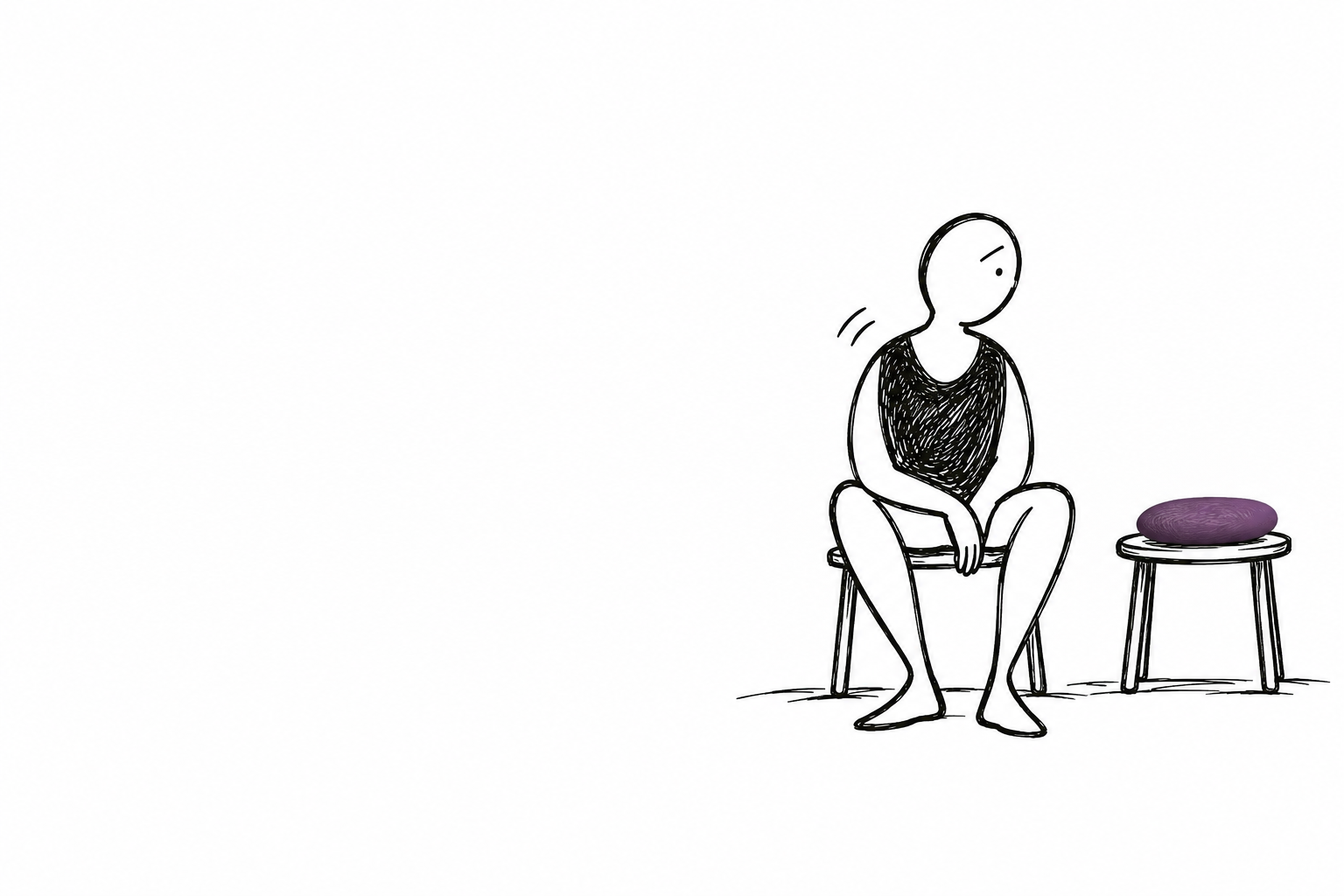
Tics are repeated movements or sounds that may vary in intensity and frequency. They should not be interpreted as disobedience or unwillingness. In addition to observing them, it is important to know how the person lives them: if there is pain, effort, interruptions or concern for the reaction of others. What draws the most attention to the environment does not always coincide with what bothers the one who has tics the most.
Appreciate its impact to decide on support.
An assessment shows when they started, how they have changed and what impact they have on daily life. Not all repeated movements are tics or all tics require the same attention. Age, evolution and other difficulties help guide the consultation; a video or an isolated impression is not enough to establish a diagnosis.
Describe what happens without judging
It helps to specify what movements or sounds appear, when and in what situations. Tics can fluctuate; a season of greater intensity does not allow to predict all the evolution alone. If the symptoms are new or have changed, it is advisable to discuss it with a healthcare professional.
Listening to what a person needs
Pain, having activities interrupted or feeling watched can all be concerns. Attention difficulties, obsessions and emotional distress are also worth exploring if they are why you are seeking help. Do not assume they are all present or will go away when the tics decrease.
Agree on a response according to impact
Information and monitoring may be enough when tics do not significantly interfere with daily life. If there is pain or a limitation, support and specialist care can be considered. Specific behavioural interventions for tics require training. They are not simply a matter of asking the person to control the tics. Ask the centre what care and coordination are available for you.
Distinguish other reasons for consultation.
Tics may coexist with other difficulties, but each needs its own questions and objectives. Professional coordination allows you to evaluate the whole without reducing the person to a symptom.
ADHD
When attention or impulsivity are also a reason for consultation.
Obsessions
Understand repeated thoughts and behaviours that generate discomfort.
Before you take the first step
No. There are different types of tics disorders. The assessment of Tourette syndrome takes into account motor and vocal tics, the age of commencement and the duration of the course. To swear is not a requirement: it is not advisable to use this stereotype to identify it.
It is not advisable to turn tics into a reprimand or a test of effort. Listen to what the person needs and agree with professionals how to respond at home, in class or at work. Understanding tics does not mean ignoring the pain or difficulties of participation.
No. The evolution is variable and the objectives must be adjusted to each situation. The improvement of the tics does not summarize all the well-being of the person. Before starting a specific attention, consult the professional experience, the objectives and how the progress will be reviewed.