Thinking and mood / Post-traumatic stress
Thinking and mood
Post-traumatic stress
Accompanying experiences that continue to affect the present.
Get free informationWhen the lived remains present
Some difficult experiences can continue to influence the feeling of security, emotions or relationships. The accompaniment begins by knowing how you are now, what you need and what circumstances should be taken into account to guide the work.
Distress after a potentially traumatic event does not by itself mean you have post-traumatic stress disorder (PTSD). You might experience memories that feel as though they are happening now, nightmares, avoidance of reminders or feeling constantly on alert. How these experiences change, their intensity and their impact on daily life all matter. A list of symptoms cannot establish a diagnosis.
If there is immediate danger or an emergency, call 112. ADIR's contact form is for routine enquiries. Do not wait for a reply before seeking urgent help.
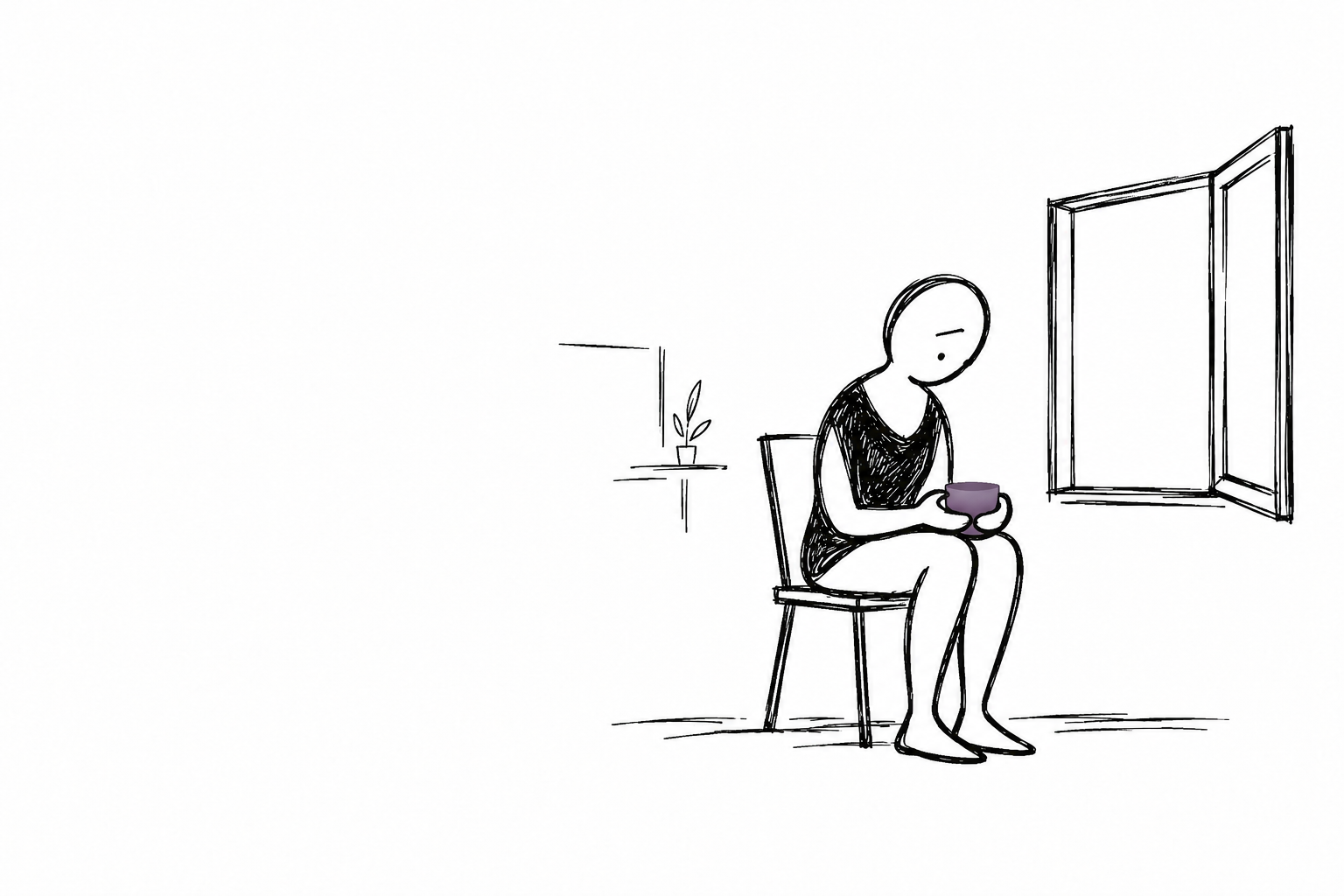
Start with your current situation
In ADIR we hear how you are living this moment, what difficulties you encounter and with what secure supports you count. You can talk about what you care about now without having to start with a detailed account. The appraisal takes into account your needs, your context and the attention that may be appropriate.
Goals depend on your situation and may include getting better rest or returning to activities or relationships that matter to you. It helps to review progress and any difficulties that arise. Initial support and specific treatment serve different purposes. The choice depends on an assessment of your needs and the relevant professional training.
It can also help you
Rest, worry, or guilt may be affected, without an emotion or bad night alone indicating TEPT. You can explore these pages and learn about our services.
Frequently asked questions
It is not necessary to describe what happened in detail in the form. You can indicate that you are looking for guidance and explain what is difficult for you in the present. The evaluation specifies what information is needed and how to approach it; asking for help does not require preparing a full account in advance.
There may be changes in sleep, play, attention, or the way you relate. It is important to listen to your perspective and understand the context without interpreting any changes as PTSD. Support must be tailored to your development and safety; it should not be assumed that anyone in the environment is a protective figure.
No. Support can help you understand your needs and resources. Specific treatment requires assessment, appropriate training and follow-up. It does not mean being made to recount everything at once or being promised that memories will disappear. If difficulties persist, review the plan and other care options with your professional.