Adjustment and emotions / Self-esteem
Adjustment and emotions
Self-esteem
The way we value ourselves can influence what we dare to do and how we relate.
Get free informationHow do we look?
Self-esteem is the appreciation we make of ourselves. It can change with the experiences, relationships and the moment we live. It is not the same as having confidence in a specific task: to be wrong or not to know how to do something does not determine our value.
Harsh expectations of ourselves, comparisons or a need for approval can make a mistake feel overwhelming. We might stop trying, find it hard to set boundaries or feel that we never do enough. People experience this in different ways.
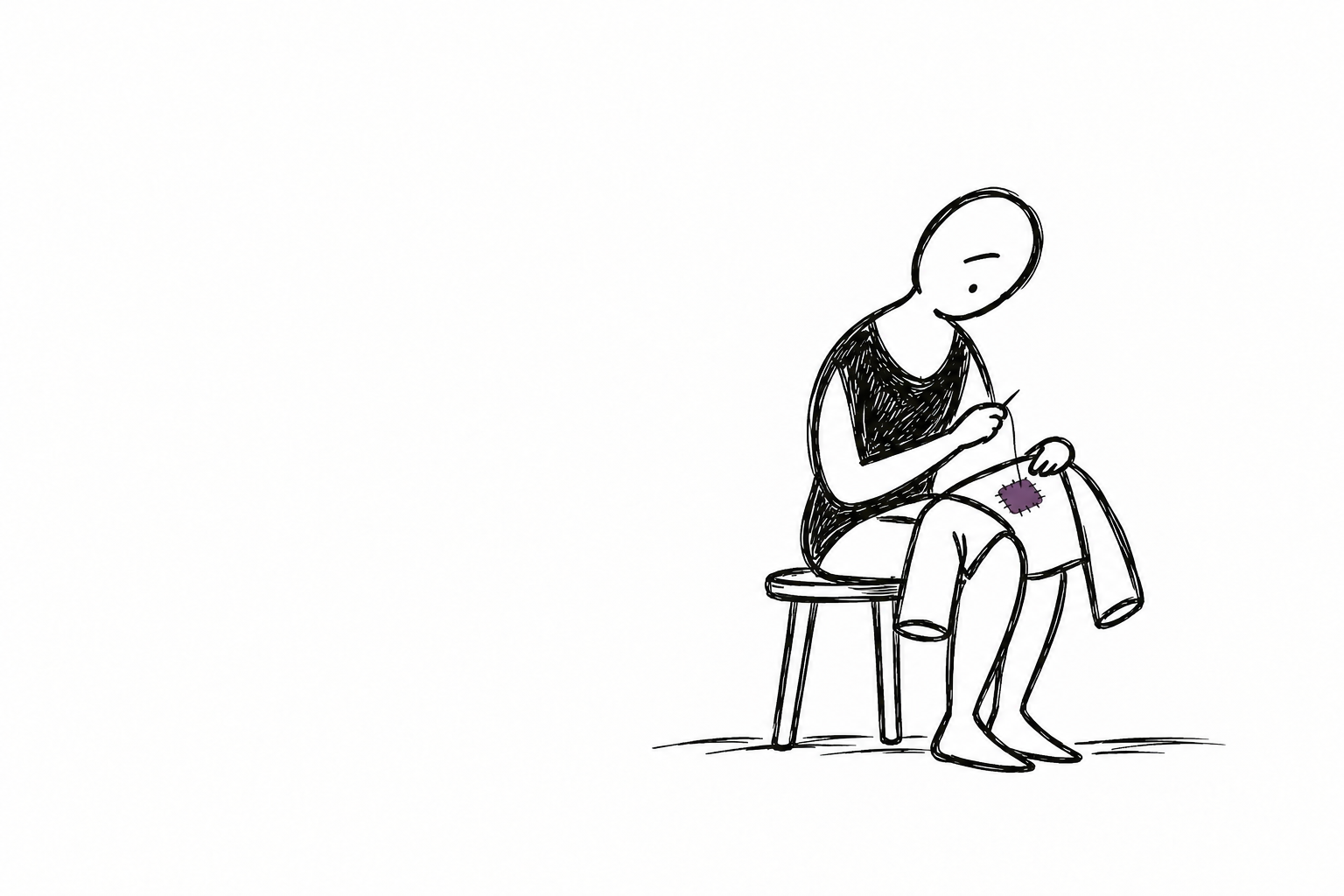
Find a more flexible look
In ADIR we listen to you to understand what concerns you and how it affects your day-to-day. We can explore the situations that activate self-criticism, the expectations you put in and the resources you already have, to agree goals that make sense to you.
Working with self-esteem does not mean feeling safe always or wanting to get better. It can help relate to mistakes in another way, make decisions more freely, and recognise one’s own needs.
It can also help you
These experiences can be related to other moments or emotions. You can explore them and learn about our services.
Frequently asked questions
No. You can acknowledge difficulties and goals without letting each mistake define your worth.
We can start by understanding what makes that step difficult and think of goals that fit your moment.
If the way you value yourself causes discomfort or limits decisions, relationships or activities, you can consult it. There is no need to wait for the situation to get worse.
Not necessarily. Self-esteem is how you see and value yourself. An assessment for depression also considers mood, loss of interest and how the difficulties affect daily life. No single sign is enough for a diagnosis.
If you also notice persistent sadness or lack of interest, explain it when asking for guidance. Not all discomfort is resolved by "wanting more". Expand information on depression.
Sources: NHS: Symptoms of depression in adults · NHS: assessment. Retrieved on 02-11-2026.